full service event planners for Non profits in New Jersey for seamless event execution
Bringing Dreams to Life: How Event Planners Can Elevate Your Non-Profit Charity Events
Event organizers function as essential partners for charitable organizations, transforming abstract visions into tangible outcomes. Their expertise bridges gaps in event coordination, partner relationships, and conceptual innovation. By embracing calculated budgeting approaches and harnessing digital media, they enhance fundraising efforts and community engagement. However, the journey from concept to execution is intricate. Knowing how to choose the ideal coordinator and apply proven methods can significantly influence an event's outcome. What components will finally shape that accomplishment?
The Role of Event Planners
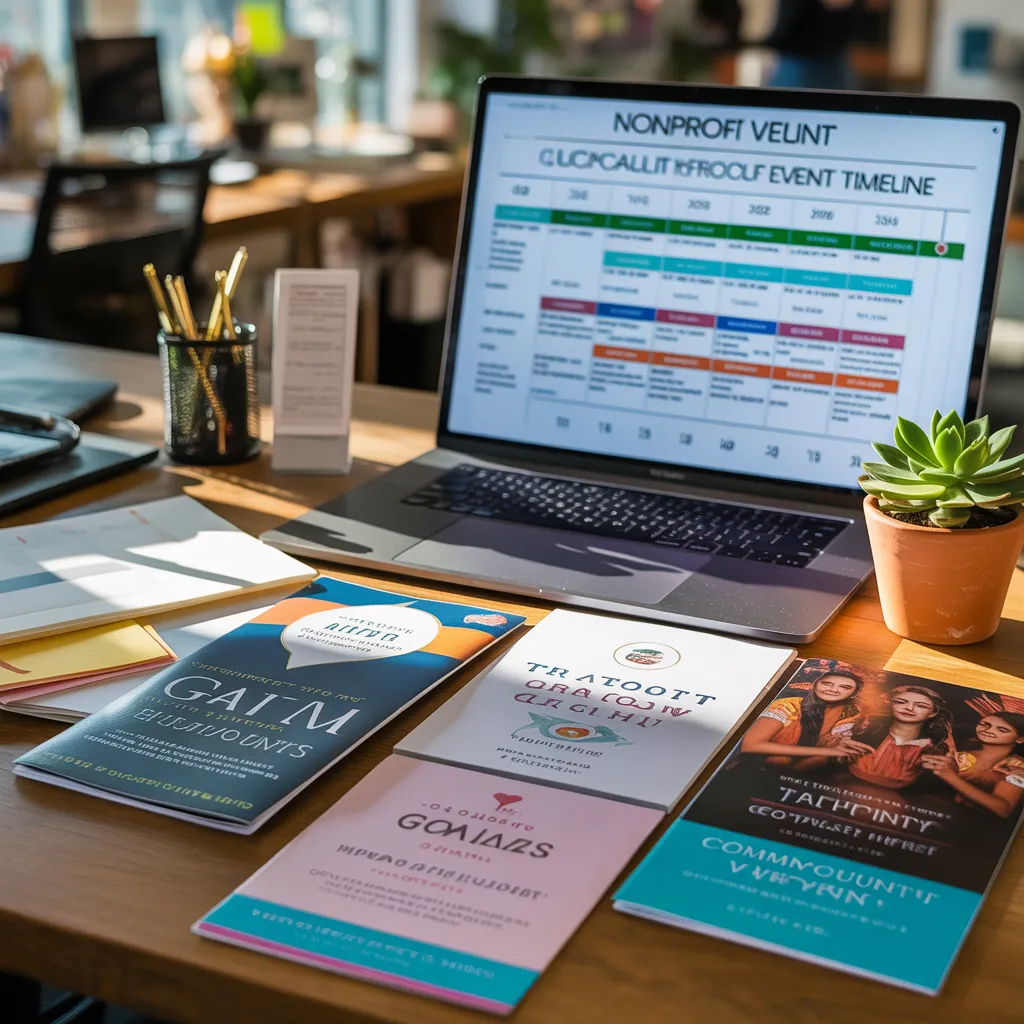
Event planners serve as the backbone of non-profit charity events, coordinating every aspect to ensure success. Their primary responsibility involves comprehending the organization's mission and vision, transforming these into a unified event plan. They oversee operations, such as venue selection, catering, and audiovisual requirements, ensuring that all elements align with the event's goals.
Moreover, event planners are skilled in budgeting, enabling organizations to make the most of their resources while reducing costs. They build relationships with vendors and sponsors, negotiating contracts that benefit the charity's financial objectives.
Beyond organizational duties, they also concentrate on marketing the event, utilizing social media and traditional channels to boost participation and interaction. By managing volunteers and personnel, they build an effective team structure, guaranteeing seamless execution on the day of the event. At its core, the function of an event coordinator is critical in maximizing the complete influence essential information and outcome of nonprofit fundraising occasions.
Picking Your Event Planner
How can a non-profit organization guarantee it selects the right event planner for its charity event? The selection process begins with identifying planners who have experience in the non-profit sector. Non-profit organizations ought to review portfolios and case studies in order to gauge prior achievements and pertinent expertise. Conducting interviews with potential planners offers meaningful insight into their comprehension of non-profit missions and core values.
Furthermore, organizations should obtain endorsements from colleagues or professional networks to confirm reliability. Speaking with prospective planners about their planning approach, solutions to challenges, and goals for the occasion can highlight a good fit. Budgetary concerns are just as essential; coordinators ought to supply honest pricing outlines that align with the nonprofit's budgetary limitations. Lastly, evaluating communication styles is essential—successful partnerships rely on transparent and honest communication. Through carefully considering these elements, a charity can effectively identify an event organizer who will powerfully improve its philanthropic gathering.
Captivating Themes That Connect
What qualities define a truly impactful theme for a charity event? A well-crafted theme speaks to the audience and reflects the values of the non-profit. It should evoke emotion, sparking interest and engagement among attendees. As an example, a "Masquerade Ball" can establish an atmosphere of intrigue, motivating attendees to bond through collective moments.
Moreover, themes ought to be visually striking, elevating the overall atmosphere and rendering the event unforgettable. Integrating interactive elements, such as live art or photo booths, can greatly captivate guests.
Furthermore, a clearly defined theme can facilitate the overall planning process, guiding decisions surrounding decor, food, and entertainment. By guaranteeing that all facets of the event embody the established theme, planners can craft a unified experience that strengthens the charity's message. At the end of the day, a strong theme not only brings in attendees but also encourages a more profound connection to the purpose, promoting generosity and support.
Effective Financial Planning for Charity Events
A compelling theme sets the tone for a charity event, but effective budgeting guarantees its successful execution. Smart budgeting involves a thorough assessment of both fixed and variable costs, making certain that every dollar supports the event's objectives. Experienced event coordinators frequently suggest developing a well-defined budget structure that includes venue expenses, catering, marketing, and entertainment.
Carefully allocating funds is fundamental; planners encourage identifying vital elements that align with the event's mission. Moreover, pursuing in-kind contributions and sponsorships can significantly lower expenses, enabling greater financial resources to be channeled into the initiative.
Regular budget reviews throughout the planning process may reduce the likelihood of unforeseen expenses. By keeping stakeholders informed about expenditures, stronger trust and teamwork can develop. Ultimately, smart budgeting not only enhances the event's impact but also reinforces the non-profit's credibility, confirming that contributors understand the positive impact of their involvement.
Streamlined Logistics Management
Effective logistics management is essential for the effectiveness of non-profit fundraising events. This encompasses streamlined venue organization, well-managed vendor collaborations, and effective timeline management to ensure that each element falls perfectly into place. By emphasizing these components, event planners can establish a streamlined experience that enhances the overall impact of the event.
Streamlined Venue Coordination
Although securing the right venue is essential for a successful charity event, skillfully handling logistics can significantly impact the overall outcome. Effective venue coordination involves meticulous planning, from layout design to accessibility. Event organizers must ensure that the venue can host the anticipated number of guests while promoting seamless movement during the event. Proper signage, seating arrangements, and designated areas for registration and activities are critical for enhancing guest engagement. Moreover, consistent communication with venue team members is key to resolving any unanticipated problems. By managing these logistics seamlessly, event planners can create an inviting atmosphere that allows guests to focus on the event's mission, ultimately resulting in increased fundraising achievements and community participation.
Optimized Vendor Partnerships
Furthermore, pre-arranged vendor agreements often generate meaningful cost savings, which is essential for non-profit budgets. A thoughtfully structured vendor network also fosters creativity, as planners can tap into the unique resources and ideas of each partner. Ultimately, efficient vendor collaborations build a seamless and professional setting, playing a major role in the event's achievement and the organization's long-term mission.
Efficient Schedule Management
When managing a charitable nonprofit event, effective timeline management is vital to secure seamless logistics. Planning teams must establish a detailed timeline that covers all elements of the event, from vendor coordination to guest arrivals. This detailed organization decreases the likelihood of delays and ensures that every team member understands their duties. Frequent progress reviews and communications keep everyone informed, facilitating fast solutions when unplanned situations emerge. Furthermore, a carefully organized timeline accounts for preparation and teardown periods, confirming the venue is adequately set up for participants. With a commitment to disciplined time management, organizers can elevate the general attendee experience, maximizing engagement and support for the charity's mission while supporting a polished and organized event experience.
Creative Engagement Strategies for Charity Events
Forward-thinking engagement ideas can greatly elevate the appeal of charitable gatherings. Incorporating interactive fundraising activities, distinctive thematic experiences, and powerful social media approaches can foster lasting ties with attendees. These techniques don't just drive attendance but also magnify the overall impact of the event.
Interactive Fundraising Activities
Involving contributors in charity events requires creativity, and dynamic fundraising activities can turn standard gatherings into vibrant experiences. These activities not only foster community engagement but also inspire attendees to participate enthusiastically. Options such as live auctions, where guests compete for unique items, or engaging activities that integrate contribution rewards can considerably improve participation. Furthermore, utilizing digital tools, like mobile apps for live fundraising progress, enables immediate participation. Activities, such as sponsored walks or team challenges, can also motivate guests while collecting contributions. By integrating these interactive elements, event planners establish an engaging environment that not only collects donations but deepens bonds among attendees, ultimately amplifying the reach of the charitable occasion.
Specialty Themed Event Experiences
Establishing themed event environments can considerably improve the ambiance of fundraising occasions. Through choosing a unified theme, event planners can develop engaging atmospheres that resonate with attendees. Concepts including masquerade balls, vintage fairs, or cultural festivals can increase involvement and build a spirit of belonging. Creative embellishments, outfits, and events aligned with the theme can encourage dialogue and inspire involvement. For example, a \"Great Gatsby\" inspired theme might feature jazz music, art deco decor, and period-inspired cocktails, delivering an unforgettable occasion. Furthermore, themed gatherings can direct fundraising approaches, with fundraising items and giving initiatives aligned with the concept. Ultimately, a well-executed theme not only engages but also strengthens the personal bond with the mission, ultimately enhancing the event's impact.
Social Media Interaction Strategies
Utilizing the strength of social media can considerably boost the visibility and effectiveness of charity events. Organizers can leverage platforms like Instagram, Facebook, and Twitter to create buzz leading up to and following events. Engaging content, such as live-streaming segments, behind-the-scenes glimpses, and live updates, maintains audience engagement. Integrating interactive elements, like interactive polls and branded hashtags, inspires guests to share their moments, building community connections. Additionally, producing shareable visuals and marketing videos can boost online presence. After the event, organizers should solicit feedback and testimonials from attendees, enabling natural content sharing and building lasting relationships. By utilizing these strategies, event coordinators can turn social media into an effective platform for enhancing charity events and maximizing their reach.
How to Assess Event Success
What methods can event planners use to accurately assess the success of a non-profit charity event? While success metrics may differ, a number of important indicators offer meaningful insights. Initially, financial performance is crucial; coordinators should measure the revenue generated relative to the objectives defined ahead of the event. Next, attendee feedback is essential; surveys conducted after the event can measure attendee satisfaction and levels of engagement. Moreover, social media analytics, such as shares, likes, and comments, can illustrate the event's overall reach and its impact on the community.
Additionally, examining the quantity of new supporters or volunteers gained during the event can reflect long-term engagement potential. One more critical aspect is press coverage, as enhanced visibility can strengthen the standing of the organization. In conclusion, organizers should examine logistical execution, including actual attendance rates versus registration numbers. By merging these key metrics, planning teams can obtain a detailed insight of their event's success and highlight areas that require future development.
Popular Questions We Receive
How Do I Recruit Volunteers for My Charity Event?
To locate volunteers for a charity event, individuals can take advantage of volunteer organizations, social media, and local community boards. Moreover, contacting schools and universities often yields enthusiastic participants keen to contribute their time and skills.
What Permits Are Needed for Organizing Charity Events?
For those hosting charity events, organizers commonly must obtain permits like outdoor gathering permits, alcohol licenses, and special event authorizations. Regulations differ depending on the region, so consulting local regulations is essential for compliance and successful planning.
How Can I Promote My Charity Event Effectively?
To successfully promote a charitable event, it is essential to leverage popular social networking sites, partner with local media sources, work alongside influential personalities, create eye-catching visuals, and encourage word-of-mouth while presenting attractive rewards for those who attend and participate.
What Are Common Pitfalls to Avoid During Charity Events?
Typical mistakes during charity events encompass inadequate planning, poor venue selection, insufficient marketing, neglecting donor recognition, and failing to engage volunteers. Addressing these issues can greatly enhance the event's effectiveness and overall success.
What Is the Best Way to Follow up With Donors After the Event?
Reaching out to donors following an event includes showing thankfulness through customized emails or handcrafted messages, presenting key moments from the event, providing updates on the impact of their contributions, and inviting further engagement with future initiatives.