How to Rent Bicycle Rentals
Discover Your City: The Ultimate Guide to Bicycle Rentals for Bold Adventurers
Discovering a city by bike can transform a standard visit into an exciting experience. Knowing essential gear, rental policies, and local trails is vital for a safe journey. The right bike can improve the ride, while scenic routes reveal hidden gems. Planning finances carefully and exploring eco-friendly options further enrich the experience. Yet, many overlook the finer details that can elevate their biking adventure. What key tips might make a meaningful difference on the path ahead?
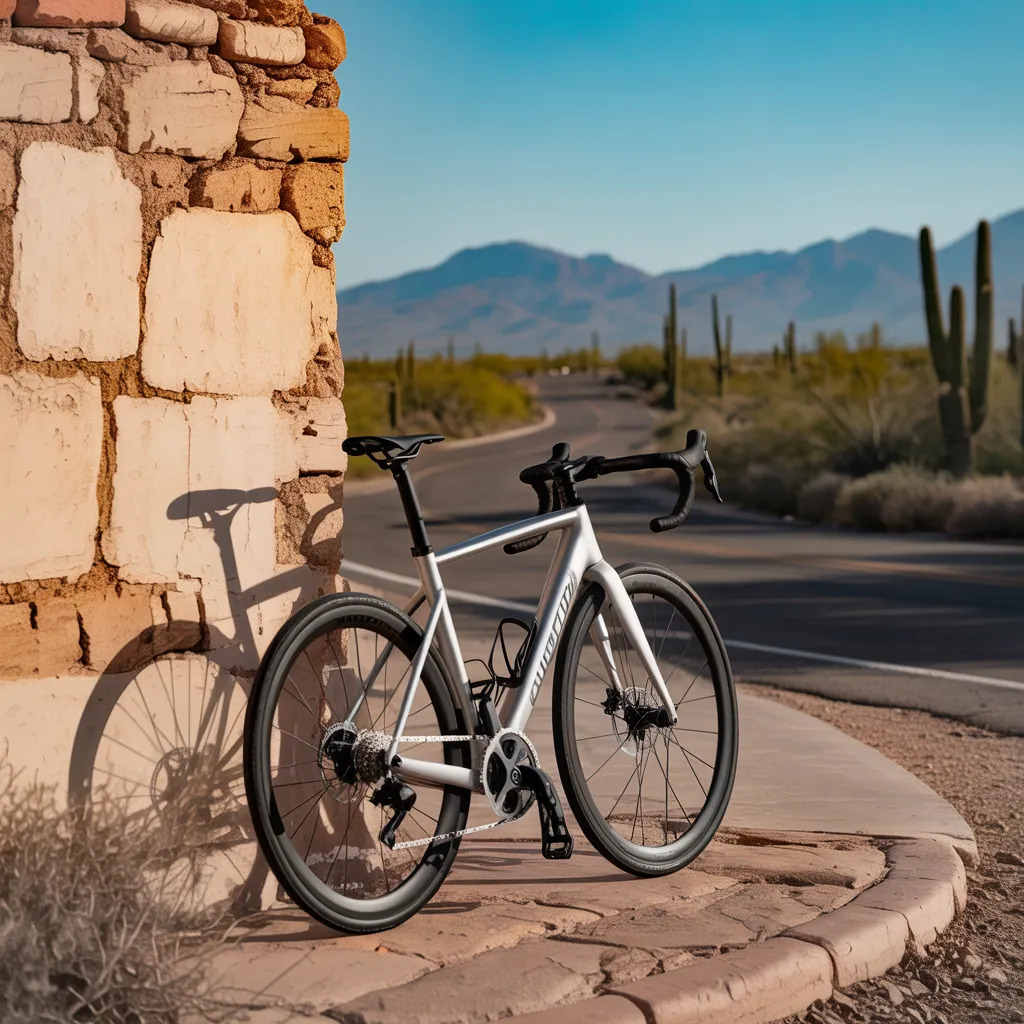
Key Gear for a Safe and Fun Ride
When beginning a bike rental experience, prioritizing safety and comfort is essential. Essential equipment includes a correctly sized helmet, which protects against head injuries and enhances stability while riding. Furthermore, padded cycling shorts can greatly increase comfort during longer rides, minimizing friction and irritation.
Cyclists are also encouraged to wearing moisture-wicking clothing to better manage overall body heat. A dependable lock is crucial for keeping safe the bike at rest stops, while a basic repair kit can address minor issues like punctured tires or displaced chains.
Sunglasses provide protection from UV rays and debris, improving visibility. Moreover, a water bottle and holder are crucial for maintaining hydration, especially during warmer days. Finally, bright or reflective gear improves visibility to others, ensuring safety on shared roads. By outfitting themselves with this essential gear, riders can experience a safer and more enjoyable biking journey.
Where to Find the Best Bike Rental Shops
Locating the top bike rental shops can considerably elevate a cyclist's experience. To find these rental locations, riders should start by checking local online reviews and ratings. Travel and outdoor activity websites and apps frequently feature reliable rental shops, along with user feedback.
Furthermore, seeking suggestions from other cyclists or local cycling communities can provide helpful information. Many cities have dedicated biking trails and paths, so shops situated near these areas tend to deliver competitive pricing and excellent service.
Another practical tip is to stop by local tourist information centers, where employees can offer advice about rental shops in the surrounding area, which frequently offer discounts or special deals.
Finally, monitoring social media platforms can uncover bike rental deals and events in your area, helping cyclists keep up with the top choices in their local area. Using these tools together will result in a satisfying and memorable cycling adventure.
Key Bike Rental Policies Worth Knowing
Before finalizing a bike rental, understanding the associated policies is essential for a smooth experience. Bike rental establishments generally specify clear terms related to age restrictions, identification, and accepted payment methods. Many establishments require a valid ID and a credit card for security deposits. It is equally important to understand the available rental periods; hourly, daily, and weekly options may vary in cost and availability.
Cancellation terms can vary significantly, with certain rental shops providing complete refunds when canceled within a designated period, while others might charge cancellation costs. Additionally, knowing the liability coverage for damages or theft is crucial. Certain rental agreements come with insurance coverage, while others may require additional coverage. Riders should also familiarize themselves with local traffic laws and any restrictions on bike paths. By comprehending these policies, adventurers can guarantee a more enjoyable and hassle-free biking experience.
How to Choose the Perfect Bike Rental?
What is the best way to find the best bike rental for their needs? To begin, understanding the type of riding needed is key. From relaxed scenic rides to demanding off-road adventures, the bike type should match the terrain and intended use. Additionally, those looking to rent should evaluate the rental company's standing; checking feedback from previous customers can reveal the standard of service and equipment available.
Furthermore, it's important to assess the state of the bikes. A thorough evaluation for maintenance issues or deterioration can eliminate disappointing situations. The rental period is also worth considering; most providers offer flexible hourly, daily, and weekly plans, which can influence final expenses. Lastly, understanding rental terms—such as liability options and return requirements—guarantees a seamless transaction. By considering these aspects, cyclists can confidently choose a bike rental that meets their exploration goals.
Uncover Scenic Routes and Secret Gems
Uncovering breathtaking trails and lesser-known destinations can elevate a cycling adventure into an extraordinary escapade. From breathtaking cycling routes that highlight stunning natural scenery to off-the-beaten-path spots brimming with authentic character, cyclists are often rewarded with extraordinary encounters. Additionally, city cycling routes deliver a blend of culture and convenience, ideal for those seeking a lively metropolitan journey.
Essential Scenic Trails to Discover
Scenic trails offer cyclists the chance to immerse themselves in nature while discovering breathtaking landscapes and hidden gems. Many cities feature well-maintained routes that showcase their unique beauty. To illustrate, the waterfront path offers magnificent views of sparkling waters, making it ideal for casual rides. City parks frequently feature paths meandering through verdant landscapes, allowing cyclists to savor a tranquil escape from urban living. Among mountainous areas, paths provide exhilarating climbs and sweeping views that repay the effort with remarkable landscapes. Coastal routes present cyclists with the invigorating ocean breeze and dramatic cliffs. Each trail serves as a canvas, painting a vibrant picture of local culture and natural wonders, inviting adventurers to explore and savor every moment along the way.
Lesser-Known Destinations
For adventurers looking for one-of-a-kind experiences, off-the-beaten-path spots reveal hidden gems and lesser-known routes that often go unnoticed. These scenic trails offer a rejuvenating escape from crowded tourist areas, allowing cyclists to immerse themselves in local culture and nature. Wandering through charming districts, adventurers may come across cozy bistros, striking street installations, or community markets that highlight the city's distinctive spirit.
Nature lovers can uncover hidden parks, serene lakes, or twisting rivers, great for a serene journey. These trails commonly showcase stunning views, like secret vantage points or verdant landscapes, rarely featured on standard maps. By exploring beyond the primary roads, cyclists can create memorable experiences and discover the genuine spirit of their locale, enhancing their journey.
Best Urban Bike Paths
What defines a truly unforgettable bike path? It typically comes from a mix of natural beauty, convenient access, and charming surprises. City bike paths have the power to turn an ordinary ride into a journey through the soul of a metropolis. As an example, the High Line in New York City delivers an extraordinary elevated adventure showcasing beautiful gardens and captivating art installations. Meanwhile, Chicago's Lakefront Trail provides stunning views of Lake Michigan and the skyline. Across in San Francisco, the Golden Gate Bridge path enables cyclists to take in magnificent views while riding across this celebrated landmark. All of these routes showcase vibrant urban scenery, encouraging cyclists to uncover local heritage and culture, making them perfect for tourists and locals alike who crave two-wheeled exploration.
How to Explore Local Trails Like an Expert
Maneuvering regional paths requires thorough preparation and respect for the environment. Trail riders need to prepare themselves with necessary equipment, organize their paths ahead of time, and familiarize themselves with proper trail conduct to elevate their riding experience. Grasping these fundamentals secures a pleasant and secure journey for every rider on the trail.
Necessary Gear You Need
When venturing along local bike paths, being equipped with the proper gear can greatly enhance enhancing the biking experience. Important equipment includes a properly fitted helmet to safeguard against injuries, and comfortable, moisture-wicking clothing for peak performance. Sturdy biking gloves provide grip and reduce fatigue, while padded shorts enhance comfort on longer rides.
A trustworthy hydration vessel or water reservoir pack is essential to keep hydrated, especially on hot days. Furthermore, a compact tool kit with bike levers, a tire pump, and a multi-tool can save a biking adventure from unforeseen issues. Lastly, a premium pair of protective eyewear will shield from glare and road debris. With these essential items, bikers can boldly traverse nearby trails and relish their cycling experience to the maximum.
Navigate Your Path
Mapping out a route is essential for any cyclist enthusiastic to explore local trails effectively. To begin, cyclists should study local maps and trail resources, focusing on their desired distance and difficulty level. Utilizing apps like Strava or Trailforks can provide real-time navigation and highlight popular routes. It's wise to reflect on trail conditions, as weather may impact trail accessibility; browsing local forums or online groups can offer useful guidance. Moreover, marking landmarks and rest areas can improve the overall ride, creating a more satisfying journey. Riders should also be aware of alternative routes should unexpected closures arise. Overall, proper preparation empowers cyclists to navigate local trails confidently and discover hidden gems along the way.
Trail Etiquette Guidelines
Comprehending proper trail conduct is essential for riders eager to maximize their recreational outings. To begin with, they should always defer to foot traffic, permitting hikers and walkers to proceed without issue. As they come close to other users, a friendly bell ring or verbal alert helps prevent surprises. Bikers should ride at a controlled speed, especially in busy sections, and avoid weaving in and out of traffic. It is equally important to remain on marked trails to lower the impact on natural habitats. If encountering wildlife, bikers should view from a safe range and not interfere with the creatures. In closing, showing consideration for other trail users by reducing unnecessary noise and keeping the trail free of obstructions fosters a balanced and enjoyable outdoor setting for everyone.
Planning Your Budget for a Bike Rental Experience
What are the best ways to maximize a budget when renting a bike? First Spokane Valley Water Softeners and foremost, looking into local rental shops is essential. Prices can vary considerably, so comparing options may reveal hidden gems offering competitive rates. Moreover, several shops grant price reductions for lengthier rental periods, making it budget-friendly to select a full day or even a week.
Furthermore, evaluate the style of bike that suits your needs. While high-end models can be tempting, a basic model is usually sufficient for relaxed sightseeing. You should also ask about included amenities, such as safety equipment or locking mechanisms, which may reduce the need for extra spending.
As a final consideration, check any additional costs, such as insurance costs or delayed return fees, to eliminate financial surprises. With thoughtful preparation and cost consideration, cyclists can embrace a satisfying biking adventure without overspending. This thoughtful approach guarantees that the adventure remains both enjoyable and financially manageable.
Environmental Advantages of Renting a Bike
Although many travelers crave adventure, they might be unaware that choosing a bike rental delivers meaningful green benefits. Opting for a bicycle instead of a car lowers carbon emissions, helping to improve air quality and reduce traffic congestion. Bicycles use no fossil fuels and need minimal materials to produce, making them an eco-conscious transportation option.
Within metropolitan areas, cycling promotes a healthier environment by minimizing sound pollution and encouraging the development of bike-friendly infrastructure. Additionally, bike-sharing programs commonly aid neighborhood businesses committed to sustainable operations, thus strengthening the constructive effect on the local population.
Moreover, selecting a rental bike nurtures a more profound connection with the surroundings, allowing travelers to uncover remote locations without the carbon footprint associated with motor vehicles. Since awareness of environmental issues rises, choosing to rent a bike stands as not just an adventurous option but a responsible one, aligning travel with eco-friendly habits.
Common Questions and Answers
What Kinds of Bikes Can You Rent?
Various bike types are available for rental, among them road bikes, mountain bikes, hybrid bikes, and electric bikes. Each type caters to different preferences, so that riders can find the perfect match for their urban adventure.
What Are the Age Requirements for Renting a Bike?
Bike rental age requirements differ depending on the location. In most cases, adults are eligible to rent bikes, whereas minors may require parental consent or supervision. Certain rental shops provide bikes specially designed for younger riders to ensure their safety.
Is It Possible to Rent a Bike for a Day Trip?
Indeed, many bike rental providers provide bikes for day trips, enabling riders to explore their surroundings at their own pace. It's recommended to review specific rental policies regarding duration and other stipulations before proceeding.
What Happens if My Bike Gets Stolen?
If a rented bike gets stolen, the renter is typically responsible for report the theft to the rental company and local authorities. Costs may be incurred depending on the terms of the rental agreement, possibly resulting in financial obligations for the renter.
Do Rental Shops Offer Helmets and Protective Gear?
The majority of rental shops offer helmets and safety gear, providing riders with necessary protection. However, it's advisable for customers to confirm availability and condition of equipment before renting, given that guidelines may differ across rental locations.